
Speaking, Stage Three
Presentation and debate: standing up to defend an argument first built on the page
Presentation, speech, and debate are three formats that ask for one thing: a claim of your own, evidence for it, and the ability to hold it under questioning. Memorized phrases last until the first question. In stage three of the Harvard Crimson program, Speak, students take a piece they have already written and revised, carry it into presentation and debate, and finish with a personal video portfolio. Students in Grades 4 to 9 train in this order in the Seven-Week Online Class and the Two-Week Winter Camp.
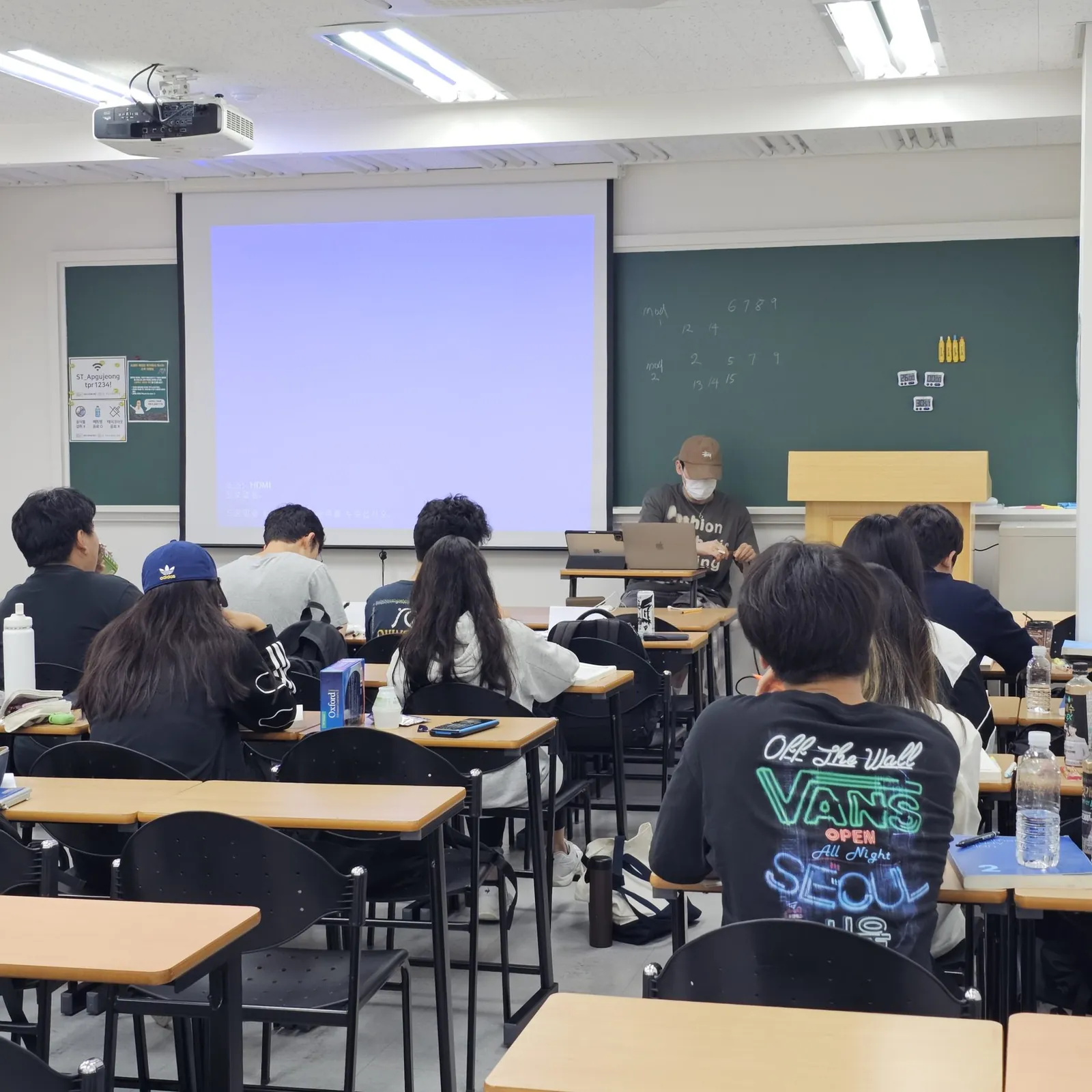
Three Formats
What presentation, speech, and debate share, and where they part
| Presentation | Speech | Debate | |
|---|---|---|---|
| Purpose | To explain what was researched and reach a conclusion | To persuade an audience of one claim | To answer the other side’s claim |
| What to prepare | The order of the evidence | A claim that stands in one sentence | The strongest objection, and the answer to it |
| Where it collapses | A question arrives, and the speaker hides behind the slides | Phrasing remains where a claim should be | The objection was never considered in advance |
| What all three need | An argument first built in writing | An argument first built in writing | An argument first built in writing |
For all three, the preparation ends in the writing. That is why this program places speaking third.
Writing to Speaking
From the page to the voice, step by step
| Step | The student | The instructor |
|---|---|---|
| 1 | Rearranges the claim, evidence, and objection of the revised essay into the order of speech | Watches for whatever the writing left out to surface in the speaking |
| 2 | Presents | Asks questions from the audience’s seat |
| 3 | Debates, answering the other side’s claim | Supplies the strongest objection |
| 4 | Records the presentation on video | Assembles the personal video portfolio |
Stage one, Think: critical thinking. Stage two, Write: newsroom editing.
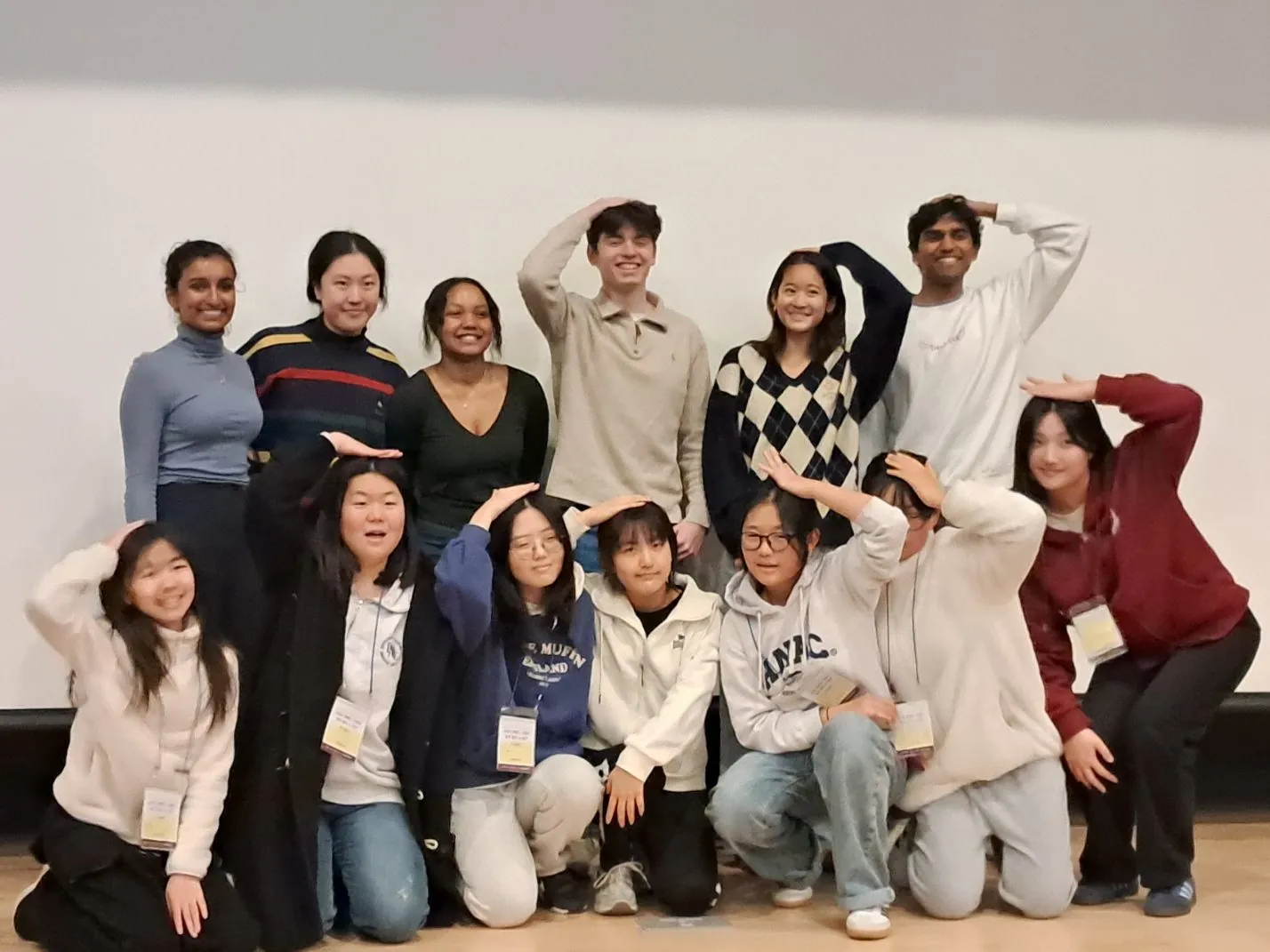
Interview
An interview is a presentation and a debate at once

At an international school or boarding school interview, the first question is close to a presentation. The second, “Why do you think so?”, is close to a debate. A memorized answer ends at the second question.
A student who has explained their own writing in their own words answers with the same argument even when the question changes direction. The video portfolio is the record of that practice.
International school admissions · Boarding school admissions
FAQ
Presentation and debate: questions and answers
How should a student prepare a presentation in English?
From which grade can students debate in English?
Is it suitable for a child who dreads presenting?
What is the video portfolio?
Do students present in the online Class too?
Read Next
Continue reading
How critical thinking is built
Asking for the evidence, weighing the objection, and judging for oneself
How newsroom editing differs
Fixing a sentence is not the same as having the writer fix it
Seven-Week Online Class
Students revise their own drafts, the way the Crimson newsroom edits
International school admissions
Admissions look for a student who can write and speak their own mind in English
Next Step
Let them answer in their own words, not from a script.
Tell us the grade and the goal: an international school, a boarding school, a school presentation. At consultation we will tell you whether to begin with thinking, writing, or speaking.
- Contact
- +82 2 6954 1601Mon to Fri 9:00 to 19:00 · Sat and Sun 9:00 to 18:00 (Korea time)
- Location
- The Princeton Review Korea, Apgujeong campus4 Apgujeong-ro 36-gil, Gangnam-gu, Seoul
- Next Step
- A grade and one recent piece of writingAt consultation we decide whether the Class or the Camp comes first